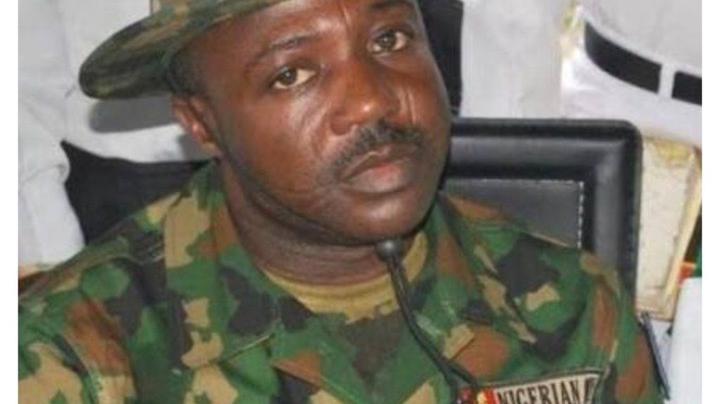
An alleged military coup plot in Nigeria was partly driven by concerns over insecurity, corruption and worsening economic conditions, according to an exclusive report by Premium Times citing statements made by an army colonel facing trial over the alleged conspiracy.
The officer, Mr Ma’aji, reportedly told military investigators that the idea of military intervention began taking shape towards the end of former President Muhammadu Buhari’s administration in 2023.
He said the worsening security situation and perceived failure of the military hierarchy to respond effectively prompted some officers to begin discussing intervention.
“Things particularly got out of control towards the end of Buhari’s administration when corruption and nepotism became the order of the day. Insecurity started spreading from the North (east) to the North-west and North-central parts of the country. Kidnapping and banditry engulfed the whole of northern Nigeria,” Ma’aji reportedly said.
He also told investigators that the group relied largely on personal contributions to fund its activities, including proceeds from the sale of his properties.
“Most of the money spent were my personal resources generated through sells [sic] of my personal property coupled with sacrifice and contributions from some members,” he said.
Ma’aji reportedly identified Major AJ Ibrahim as having contributed N1 million and said Army Captain AA Yusuf made dollar contributions on several occasions. He also said he sold three houses in Kaduna State and a students’ hostel at Ahmadu Bello University, Zaria.
The alleged plot was later linked to former Bayelsa State Governor Timipre Sylva, who has been described in some reports as a financier of the conspiracy. Sylva has strongly denied the allegation.
In a statement issued by his spokesperson last year, the former governor said he “has no involvement whatsoever—either in planning or in logistics—with any such plot.”
The statement also said Sylva and his wife were in the United Kingdom for a routine medical check-up before travelling to Malaysia for a professional conference.
Meanwhile, Ma’aji and other defendants facing charges over the alleged coup plot have denied wrongdoing. They have also challenged the admissibility of statements and video recordings obtained during their interrogations, while prosecutors maintain that the materials were obtained in accordance with due process.
The claims contained in the statements of Ma’aji and other suspects are not proof of guilt. The courts will ultimately determine the guilt or innocence of the defendants based on the evidence presented during the ongoing proceedings.
Credit: Premium Times