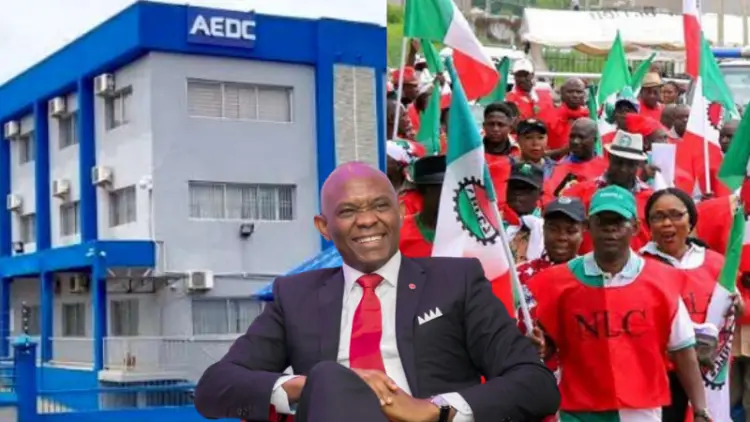
Transcorp Plc, chaired by Tony Elumelu, acquired a 60 per cent controlling stake in the Abuja Electricity Distribution Company in August 2023, marking a major expansion into Nigeria’s power sector.
The acquisition followed a complex financial process tied to a $122 million debt owed by the previous core investor, KANN Consortium, to United Bank for Africa, also chaired by Elumelu. After defaulting on the loan in 2021, UBA took over the consortium’s equity and assumed interim control of AEDC before initiating a divestment process.
A Transcorp-led consortium later emerged as the preferred bidder, securing regulatory approval in May 2023. The transaction was largely structured to offset the outstanding debt, bringing an end to years of financial uncertainty surrounding the utility.
However, nearly two years after the takeover, AEDC has been embroiled in internal challenges, raising concerns about operational stability under its new ownership.
In 2024, tensions escalated following the dissolution of the company’s management team as part of a restructuring effort. While management described the move as necessary to address inherited inefficiencies, insiders suggested it may have exposed deeper systemic issues within the organisation.
The crisis intensified in November 2025 when AEDC announced the disengagement of over 900 employees, citing a broader transformation strategy aimed at improving efficiency and service delivery.
The company stated that the restructuring included promoting high-performing staff, retiring others, and implementing new workforce and customer management systems.
However, sources within the organisation disputed this explanation, linking the layoffs to the financial impact of implementing Nigeria’s revised minimum wage policy, signed into law by Bola Ahmed Tinubu in July 2024.
According to insiders, many staff previously earned as low as ₦40,000 monthly, and the increase to ₦70,000 may have significantly raised operational costs, prompting workforce reductions as a cost-control measure.
Reports indicate that as many as 1,500 employees were initially earmarked for disengagement, although between 800 and 900 were eventually laid off.
The development has sparked protests by labour unions, including the Nigeria Labour Congress, with workers accusing the company of unfair labour practices and mass victimisation.
The situation has renewed debate over the performance of Nigeria’s power distribution companies and whether post-privatisation reforms are achieving meaningful improvements or shifting burdens onto employees.
As labour unrest continues and operational concerns persist, AEDC’s future under Transcorp remains under close scrutiny, with stakeholders watching to see whether the intervention will deliver the expected turnaround or deepen existing challenges.