By: Odeh Favour Adiya
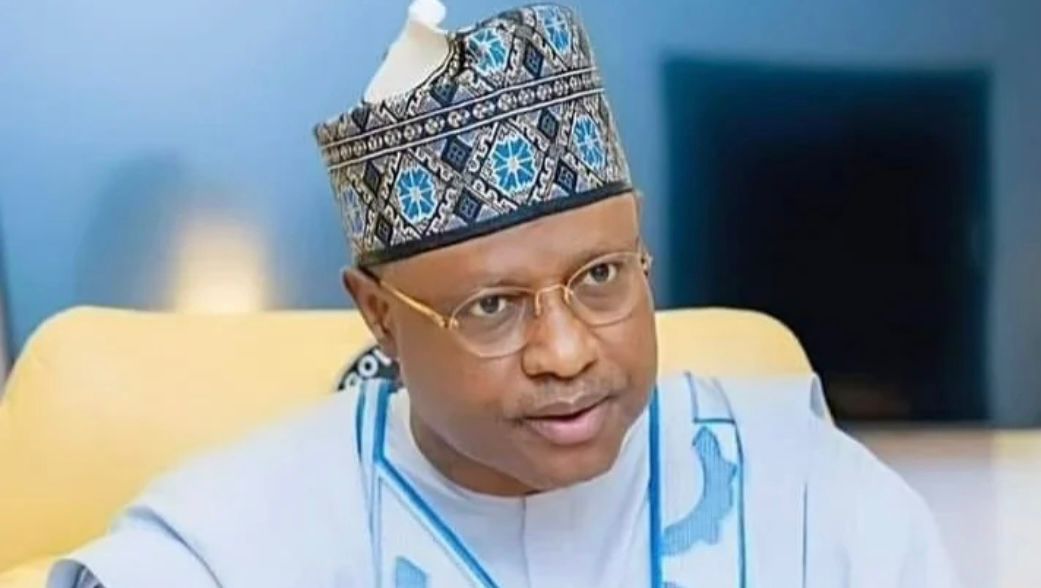
Kaduna State Governor Uba Sani says his administration has not taken any new loans since he assumed office, despite paying about ₦6.7bn monthly to service debts inherited from previous governments.
Sani stated this on Thursday during an interview on Channels Television’s Politics Today, while responding to questions about his administration’s spending and the state’s rising internally generated revenue.
“Since I became governor, I’ve not borrowed one kobo,” the governor said.
Sani, who assumed office in May 2023, said his administration had instead focused on prudent management of available resources while continuing to meet the state’s inherited debt obligations.
According to the governor, Kaduna currently spends about ₦6.7bn every month servicing loans incurred by previous administrations.
“It’s about being prudent. It’s about selecting or being very careful in where you invest the money,” he said.
The governor said the decision not to borrow was driven by his administration’s approach to prioritising expenditure and directing available resources towards areas with the greatest impact on residents.
He maintained that the combination of increased revenue and tighter financial management had enabled Kaduna to fund projects without resorting to additional borrowing.
Sani’s claim means Kaduna has continued to service loans incurred before his administration while, according to him, refraining from taking on new borrowing since he assumed office in May 2023.
While he did not indicate which of the rulers before him incurred the debt, reports show that Sani succeeded Nasir El-Rufai, who governed Kaduna from 2015 to 2023.
Before El-Rufai, Mukhtar Ramalan Yero served from 2012 to 2015, while Patrick Yakowa was governor from 2010 until his death in December 2012.
Sani also defended his administration’s record, citing interventions in agriculture, education, infrastructure, skills development, and security.
On education, Sani said his administration had identified about 550,000 out-of-school children across Kaduna State through a household-mapping exercise.
He said more than 300,000 of the children have since been returned to classrooms, while efforts were continuing to enrol the remaining children.
According to the governor, the mapping exercise was designed to provide reliable data on the number and location of out-of-school children and enable the government to target its interventions more effectively.
Sani said the initiative was part of his administration’s broader effort to address education gaps in the state.
The governor also listed agriculture, infrastructure, skills acquisition, and security among areas where he said his administration had recorded progress.