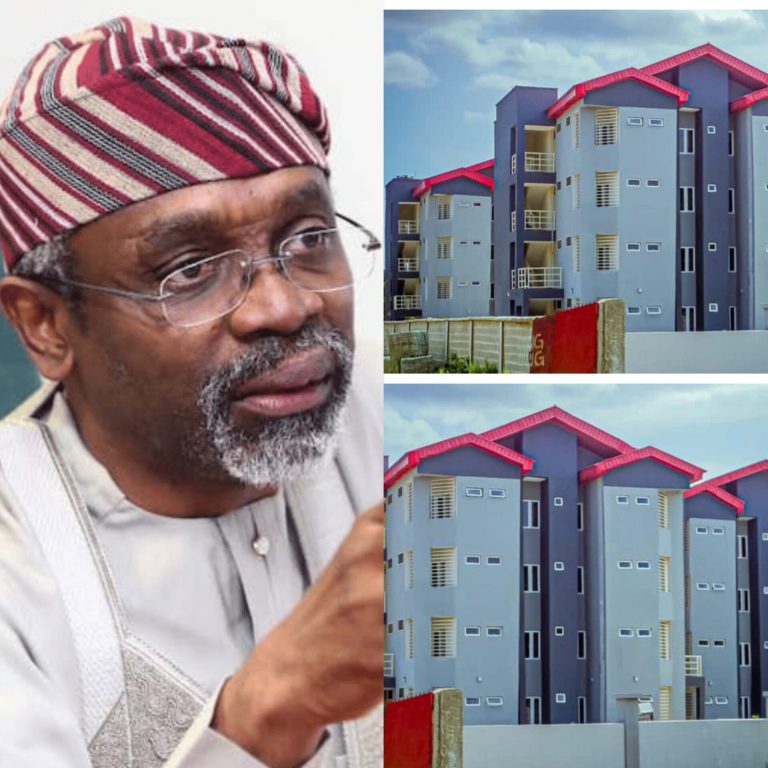
A student hostel at the University of Lagos, linked to Femi Gbajabiamila, has come under scrutiny after reports revealed that bed spaces are being rented for as much as N950,000 per session, despite being built with N1.6 billion in public funds.
According to an investigation by BusinessDay, the facility—constructed to ease student accommodation shortages—has effectively been turned into a commercial hostel, making it unaffordable for many students.
The hostel, officially named “Construction and Furnishing of a 484-bed Landmark Student Hostel,” was funded under the 2020 Zonal Intervention Project and inaugurated in January 2024. It features both single-occupancy and four-man en-suite rooms.
However, findings show that students are charged about N950,000 per session for single rooms and N710,000 per bed space in shared rooms—rates comparable to private hostels around the university.
“When they were commissioning it, I really thought this would be a huge relief, but that wasn’t the case,” a student, Jude Egbas, said.
“The cost of a bed space there is as expensive as other private hostels. We could even get some that are cheaper than what they are charging at Gbaja Hall.”
The report highlights a deepening accommodation crisis at UNILAG, where over 50,000 students compete for fewer than 8,000 available bed spaces in school-managed hostels.
As a result, many students are forced to seek off-campus housing at high costs. One student, Chinedu Obote, said he had to relocate to Egbeda, about 25 kilometres from campus, after failing to secure accommodation.
“I spend roughly N8,000 on transport every day to get to campus and come back,” he said. “Sometimes, all I’m thinking about is not even reading but how to manage transport for the week.”
Another student, Williams Motunrayo, revealed she pays N700,000 for a shared room with five others—more than triple her tuition.
“I couldn’t believe it. How is it possible that rent is more than what I pay for school fees?” she said.
Similarly, Damilare Ibiyemi said he pays N700,000 for a bed space, noting that accommodation costs often outweigh tuition due to high demand.
The investigation also found that pricing at the Gbajabiamila Hall mirrors that of private hostels, raising concerns about why a publicly funded project is being operated at commercial rates.
The development has triggered criticism over the gap between government intervention efforts and the realities faced by students, with many arguing that the project has failed to provide the intended relief.