By: Odeh Favour
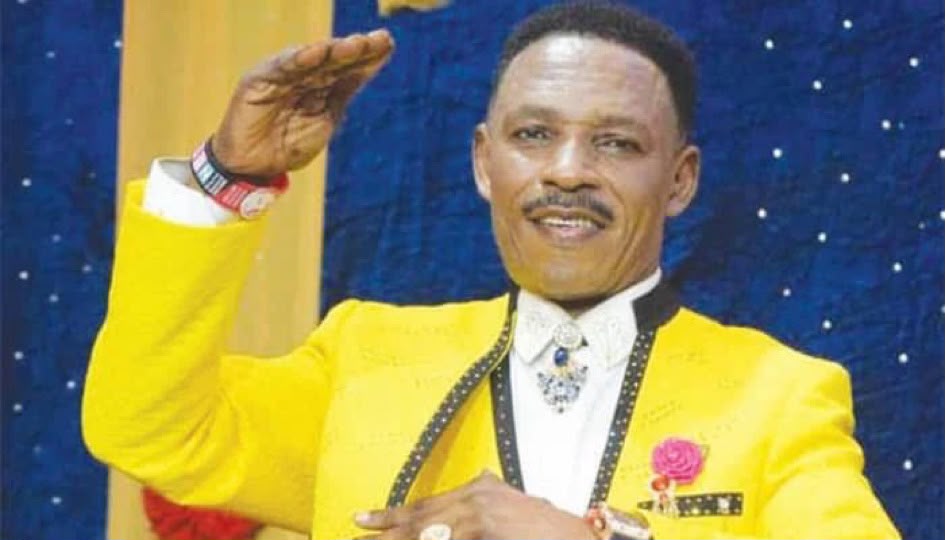
The General Overseer of the Bible Life Church, Ajegunle, Lagos, Bishop Leonard Umunna, has identified constitutional weaknesses, ethnic divisions, and corruption as the primary root causes of Nigeria’s persistent governance challenges.
Speaking during a recent media interaction in Lagos focused on Nigeria’s development, insecurity, and the electoral process ahead of the 2027 general elections, the cleric called for urgent reforms to address the country’s recurring political and economic difficulties.
He urged Nigerians to demand accountable leadership and credible elections, warning that the nation would continue to struggle unless authorities squarely tackled the fundamental causes of its problems.
The bishop argued that the country must review its constitution in light of past experiences to prevent governance failures and power abuses from recurring.
“For the sake of the majority, they should change that name, change this constitution,” Umunna said.
Stresssing the need for government authorities to respond promptly to wrongdoing and establish permanent safeguards, the cleric warned that silence in the face of bad governance amounts to complicity.
“When you see somebody do bad, and you do not raise any voice against it, it is an offence. For the second one, it becomes approval,” he noted.
On national unity, Bishop Umunna identified ethnic divisions as a major obstacle, expressing worry over how intense competition among ethnic groups has deepened social fractures and complicated Nigeria’s political development.
“The first opposition is the problem, a very obnoxious one of ethnicity,” he added.
Lamenting Nigeria’s inability to translate its vast human and natural resources into economic prosperity for its citizens, the cleric decried the nation’s continuous dependence on foreign aid despite its potential to support other African countries.
“Nigeria has a lot of mineral, human, and other resources that anybody can think of. At every international event, Nigeria has always begged,” he said.
He emphasized that Nigeria’s persistent reliance on foreign assistance reflects deep-seated failures in leadership and the constitutional framework.
“Nigeria has all it takes to take care of African countries, but we are the ones begging others to help us out,” he stated.
Umunna called for principled and courageous leaders who would place national interest above ethnic and political considerations and take decisive action against wrongdoing.
“Nobody should say, we don’t need such leaders now. But we need more. As the times are getting worse, we should need stronger leaders, who will not be dynamic, but yet strongly peaceful, as to say, this is the right thing,” he enunciated.
Turning to the upcoming 2027 general elections, the cleric urged electoral authorities to identify and resolve the root causes of recurring electoral controversies rather than focusing solely on appointing electoral officials.
He criticized the selective enforcement of electoral rules and warned that unequal treatment of political parties could severely undermine public confidence in the electoral process.
“Everybody should raise your voice and say put these laws in order and put in place to prevent us,” he said, while also calling for international election observers to be allowed to perform their duties unhindered.
On the issue of insecurity, Umunna advocated appointing credible individuals free from corruption and ethnic bias to strategic security positions.
“I will get like-minded people and make sure that I don’t have a corrupt person among the leaders. I shouldn’t have a tribalistic person,” he said.
“If somebody wants things to get better, they should do things better for this,” he added.
The cleric’s call comes amidst growing security concerns across the nation, recalling that the General Overseer of the Redeemed Christian Church of God, Pastor Enoch Adeboye, had earlier in the year lamented that terrorism and kidnapping had spread beyond northern regions into the South.
Following those concerns, the cleric urged the Federal Government and security chiefs to eliminate terrorists and resolve the security crisis within 90 days or resign from office.