By: Odeh Favour Adiya
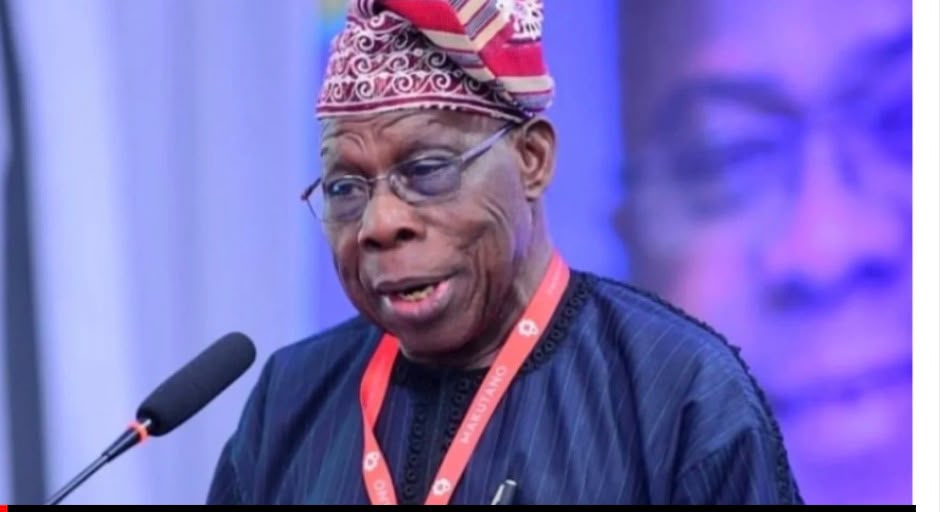
Former President Olusegun Obasanjo has stated that “Nigeria has no business with poverty,” asserting that the nation’s natural resources, agricultural potential, and human capital are more than sufficient to support a prosperous economy.
Obasanjo made these remarks during an interview on C-Suite Café, where he examined the country’s economic bottlenecks and what he viewed as a failure to properly leverage its vast resources.
Reflecting on the nation’s untapped agricultural capacity in a video shared on YouTube dated September 10, the former president noted that “Nigeria had millions of hectares of arable land, favourable climatic conditions and abundant water resources capable of supporting food production and large-scale agricultural exports.”
He pointed directly to the “country’s human capital,” emphasizing that the “entrepreneurial and intellectual capacity of Nigerians at home and in the diaspora” remains a key resource that is severely underutilised.
Obasanjo further identified “solid minerals, in addition to crude oil and natural gas, as resources that could help diversify Nigeria’s sources of revenue.”
Pinpointing the systemic bottlenecks holding the nation back, he highlighted “corruption, crude oil theft and leakages in revenue generation” as major factors undermining the government’s ability to deploy its resources effectively for national development.
He “blamed policy inconsistency for some of the challenges confronting the economy,” particularly pointing out the “abandonment of long-term programmes and agricultural initiatives when administrations change.”
The former leader stressed that “addressing Nigeria’s poverty requires political will, continuity in policies, particularly those relating to food security, and fiscal accountability at all levels of government.”
He added that the “country’s economic difficulties could be addressed if its resources were properly managed and successive governments maintained policies capable of producing long-term development.”
Obasanjo also expressed deep concern over current “public borrowing,” contrasting it with the historical debt relief secured under his administration, which he recalled “amounted to about $30bn in 2005 and 2006.”