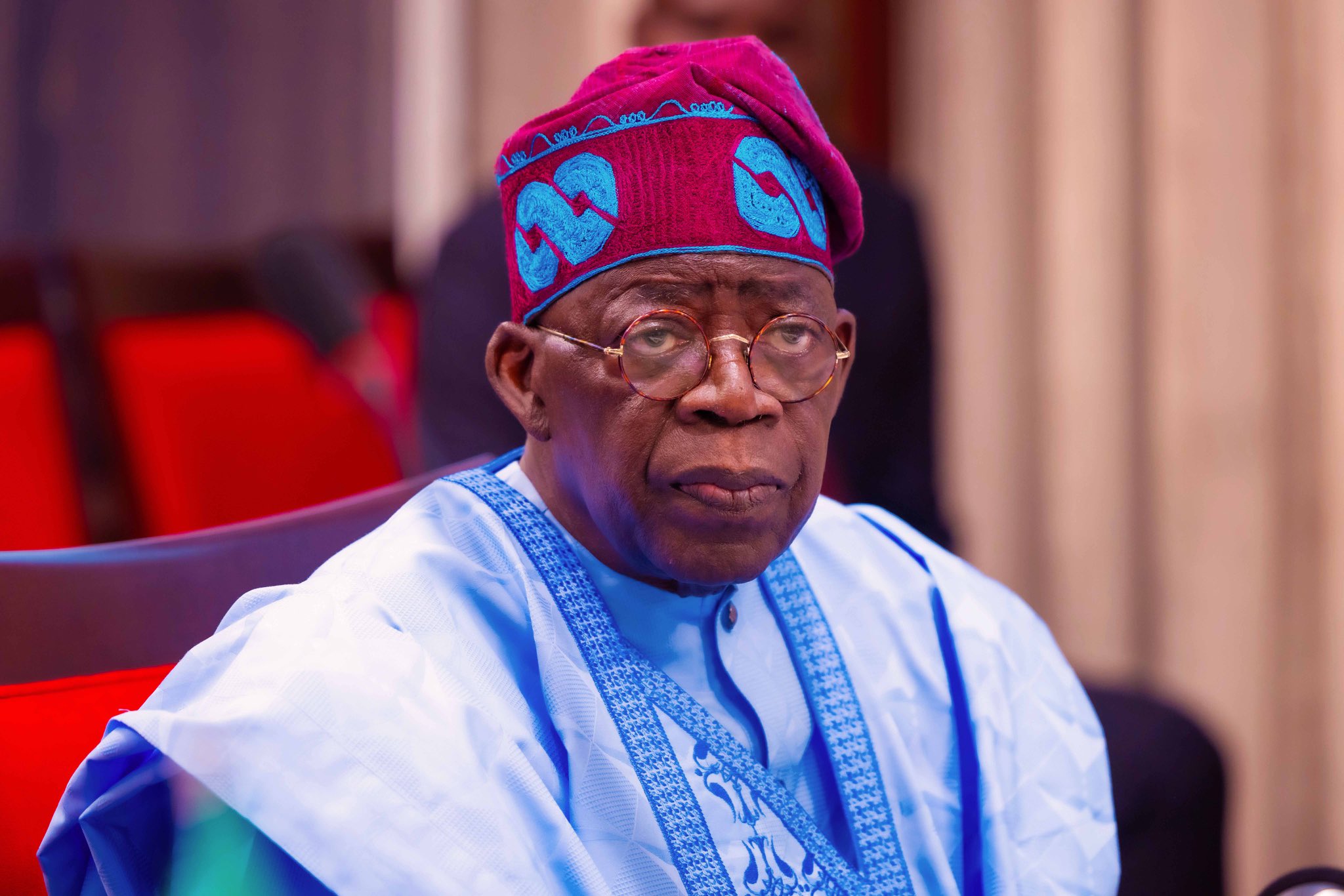
India and several other countries are reportedly unwilling to accept some of President Bola Ahmed Tinubu’s recently nominated ambassadors due to diplomatic policies that discourage receiving envoys from administrations nearing the end of their tenure.
According to a report by Punch Newspapers, senior officials in the Presidency and Nigeria’s foreign service disclosed that India has a long-standing practice of declining ambassadors from governments with less than two years left in office.
One of the nominees affected by the situation is career diplomat Muhammad Dahiru, who was posted to serve as Nigeria’s ambassador to New Delhi. Sources said Indian authorities are reportedly signalling reluctance to grant agrément for the appointment.
Agrément refers to the formal approval required from a host country before a nominated ambassador can officially assume duties.
According to the report, officials familiar with the development said the Nigerian government had begun receiving indications from New Delhi and possibly other capitals suggesting hesitation to approve some of the nominations.
“They don’t accept an ambassador from an administration that has less than two years in office. So they are giving us that body language already,” a Presidency official was quoted as saying.
The source explained that the concern from host countries is tied to the proximity of Nigeria’s next general elections and the possibility that a new administration could recall the envoys shortly after their appointment.
“Some countries are reluctant to accept some people, not because of the individuals but because of time. They are already seeing the Tinubu government as an outgoing government,” the official said.
Another senior official in Nigeria’s foreign service confirmed India’s stance but expressed optimism that diplomatic engagement could help Nigeria secure an exception due to the long-standing relationship between the two countries.
“I know India has that policy. If you are less than two years to the end of the tenure, there will be difficulties accepting an ambassador. Maybe we can leverage our relationship with them to scale through that,” the official reportedly said.
The source added that while India’s policy is clear, other countries may also adopt similar positions based on their own diplomatic practices.
“India is the only one I can confirm to you for now. The others will be based on their conventions and practices. But the one I know for sure now is India. We will have to do a lot of convincing because they have a standing rule,” the official stated.
Meanwhile, another government insider said that although the Ministry of Foreign Affairs has secured funding for the mandatory induction programme for the ambassador-designates, the exact date for the training has not yet been determined.
President Tinubu had on March 6 approved the deployment of 65 ambassadors-designate and high commissioners to various countries and international organisations, including the United Nations.
Among those nominated are former Aviation Minister Femi Fani-Kayode, posted to Germany; presidential aide Reno Omokri, assigned to Mexico; former Katsina State governor Abdulrahman Dambazzau, nominated for China; and Senator Jimoh Ibrahim, who was designated as Nigeria’s permanent representative to the United Nations.
So far, agrément has reportedly been secured from the United Kingdom for High Commissioner-designate Aminu Dalhatu and from France for Ambassador Ayodele Oke, leaving the status of the remaining nominees uncertain.
The development comes as the Independent National Electoral Commission has scheduled Nigeria’s next presidential election for January 16, 2027, while Tinubu’s current tenure is expected to end in May of the same year.
A senior diplomatic source told Punch that the timing of the postings could limit how long some ambassadors would serve if approvals are delayed.
“By the time they get the agrément, some of these ambassadors will have just a few months left,” the official said, adding that some nominees might not assume duties until August 2026 after background checks by host countries.
Under Article 4 of the Vienna Convention on Diplomatic Relations (1961), a receiving state must approve a diplomatic nominee before the envoy can be accredited.
Commenting on the development, Nigeria’s former ambassador to Singapore, Ogbole Amedu-Ode, said countries considering Nigeria’s political timeline before accepting an envoy were simply being pragmatic.
“The underlying word here is pragmatism. Those receiving states are just being pragmatic if they take that view because the next round of general elections is in a year from now,” he said.
He added that delays in appointing ambassadors earlier in the administration may have contributed to the current diplomatic challenges.
However, another former envoy, Mohammed Mabdul, who previously served in Algeria, suggested that friendly nations may still accept Nigeria’s nominees, although political appointees could face greater scrutiny due to the limited time they may spend in office.
The situation could complicate efforts by the Tinubu administration to restore full ambassadorial representation abroad after recalling Nigeria’s 83 career and non-career ambassadors in September 2023, leaving the country’s 109 diplomatic missions without substantive heads.
Despite the diplomatic challenge, Nigeria and India have strengthened bilateral relations in recent years. President Tinubu attended the 2023 G20 Summit in New Delhi, where he held talks with Indian Prime Minister Narendra Modi on expanding cooperation in defence, agriculture, trade and investment.
Modi later visited Nigeria in November 2024 — the first trip by an Indian prime minister to the country in 17 years — during which both nations signed agreements covering cultural exchange, customs cooperation and survey collaboration.
During the visit, Tinubu also conferred Nigeria’s second-highest national honour, the Grand Commander of the Order of the Niger, on the Indian leader.