By: Odeh Favour Adiya
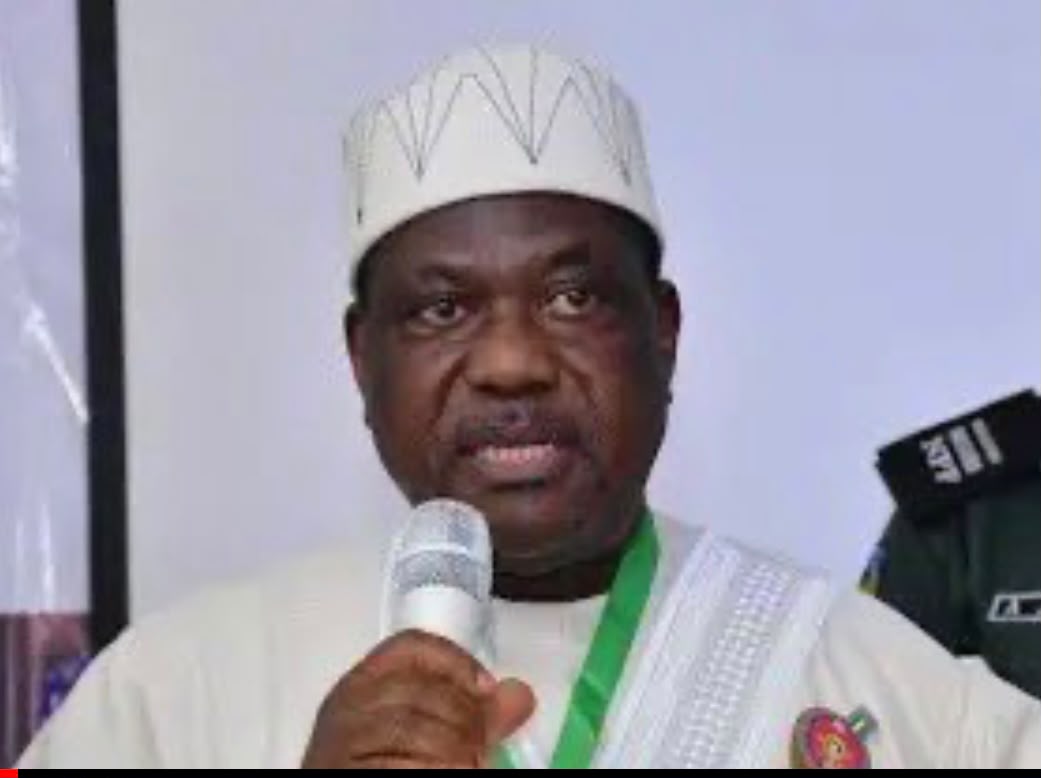
The Secretary to the Government of the Federation, Senator George Akume, has expressed deep concern over the lingering allegations of corruption within Nigeria’s electoral system, warning that the trend continues to erode public confidence in the nation’s democratic process.
Akume raised this alarm on Thursday while delivering a lecture at the State House Conference Centre in Abuja, as part of activities to mark the 2026 Democracy Day celebration.
Speaking on the theme, “27 Years of Democratic Governance: Achievements, Challenges and the Road Ahead,” the SGF noted that while Nigeria has recorded significant democratic milestones since its historic return to civilian rule in 1999, persistent worries surrounding electoral integrity remain a potent threat to democratic consolidation.
He stressed that electoral malpractice, vote-buying, and result manipulation continue to fuel intense debates regarding the credibility of elections and public trust in democratic institutions. Stakeholders, he noted, have repeatedly called for decisive electoral reforms to strengthen transparency, accountability, and confidence in the system.
“Electoral integrity remains a work in progress. While our electoral management body and the judiciary have demonstrated growing independence, persistent allegations of corruption in the electoral system and processes remain critical to its integrity,” Akume said.
The SGF further reminded citizens that the true essence of governance goes beyond the ballot box, stating, “Democracy is not merely the act of voting; it is the guarantee that every vote counts equally.”
Reflecting on Nigeria’s 27-year democratic journey, Akume described the era as one defined by resilience, determination, and notable progress. He highlighted that the country has successfully conducted eight consecutive general elections and witnessed peaceful transfers of power across political parties and regions, including a historic transition from a ruling party to the opposition.
“The democratic journey since 1999 has nevertheless had its challenges.
The significant lesson however is that it has been a journey of resilience and determination. Nigeria has conducted eight successive general elections each one testing, and ultimately affirming, the democratic will of our people,” the SGF remarked.
He added, “We have achieved back-to-back peaceful transfer of power from one civilian administration to another, across party lines, and across the diverse regions of our great nation. We have also experienced a transfer from a sitting government to the opposition.”
Despite these triumphs, Akume urged stakeholders to aggressively confront the core challenges capable of weakening public confidence in democracy, cautioning against allowing ethnic, religious, and regional divisions to fracture the country’s democratic foundations.
He also utilized the platform to highlight major achievements recorded under democratic governance, including economic expansion, improved financial inclusion, and heavy investments in critical infrastructure projects like the Lagos-Calabar Coastal Highway and the Sokoto-Badagry Superhighway.
Describing the Democracy Day lecture as an opportunity for sober reflection, Akume challenged Nigerians to envision the exact type of democracy they hoped to build over the next 27 years, urging active participation in strengthening institutions and protecting the country’s democratic achievements.
“Finally let me leave us all with a charge. Nigeria is worth all our sacrifices and our democracy is worth defending. The present and upcoming generations are standing on the shoulders of those who struggled for civil rule and they have both the responsibility and the opportunity to build the nation our founding fathers envisioned and which our children deserve to inherit,” he concluded.