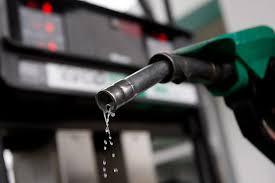
Nigerians are facing renewed economic pressure following a sharp increase in the pump price of Premium Motor Spirit (PMS), commonly known as petrol, which has risen to about N1,300 per litre from around N1,050 per litre in several parts of the country.
The latest adjustment represents roughly a 24 percent increase, a development industry operators attribute to rising global crude oil prices, which recently climbed to about $110 per barrel amid tensions in the Middle East.
Fuel marketers say the increase has also affected the cost of Automotive Gas Oil (AGO), also known as diesel. At some outlets operated by MRS Oil Nigeria Plc, diesel now sells for about N1,380 per litre, up from roughly N1,100, while stations operated by the Nigerian National Petroleum Company Limited (NNPC Ltd.) sell the product for about N1,680 per litre in Lagos and surrounding areas.
Across several cities, petrol prices have also surged significantly. In parts of Ibadan and nearby communities, retail prices now range between N1,200 and N1,300 per litre, compared to the N1,020 to N1,080 range recorded before the latest increase.
A member of the Independent Petroleum Marketers Association of Nigeria (IPMAN), who spoke on condition of anonymity, said the rise was largely driven by the higher landing cost of imported fuel.
According to the marketer, the cost of lifting petrol from depots in Lagos has climbed to about N1,175 per litre, forcing retailers to adjust pump prices.
“The final pump price depends on how far the product is transported,” the marketer explained. “While Ibadan stations sell around N1,200 to N1,300 per litre, prices in places like Ogbomoso and Oke-Ogun may be even higher due to logistics.”
In Abuja, petrol prices have also climbed rapidly within a week. Retail prices that stood at about N880 per litre earlier rose to N960, then N1,080, and later N1,103, before crossing the N1,300 mark at some filling stations.
Industry sources link the increase partly to a recent pricing adjustment by the Dangote Petroleum Refinery, which raised its gantry price for petrol to N1,175 per litre from N995, while diesel rose to about N1,620 per litre from N1,430.
The refinery reportedly cited prolonged volatility in the global oil market as the reason for the adjustment.
The rising cost of petrol has already triggered a spike in transportation fares across parts of the Federal Capital Territory. Checks at major bus stops in Abuja, including Area 8, Garki and the Central Area, showed that fares have more than doubled on some routes.
Commuters who previously paid around N800 for certain trips now pay about N1,500, while fares from Area 8 to Nyanya have increased from N500 to about N1,000.
Energy analysts say the price hike was largely inevitable given how sensitive refined petroleum product prices are to fluctuations in crude oil costs.
According to industry experts, refinery profit margins are typically narrow, meaning even slight increases in crude prices can quickly translate into higher fuel prices.
Meanwhile, the Petroleum Products Retail Outlets Owners Association of Nigeria (PETROAN) warned that fuel prices could climb even further if geopolitical tensions continue.
The association’s national president, Billy Gillis-Harry, said petrol could approach N2,000 per litre, while diesel might reach N3,000 per litre if global market conditions worsen.
“PMS could rise close to N2,000 per litre, while AGO may approach N3,000 per litre if the situation persists,” he said.
Gillis-Harry urged the Group Chief Executive Officer of the Nigerian National Petroleum Company Limited, Bayo Ojulari, to fast-track the revival of Nigeria’s state-owned refineries.
He specifically called for the immediate commencement of production at the Area 5 plant of the Port Harcourt refinery and the Warri refinery, stressing that domestic refining would reduce Nigeria’s exposure to international market fluctuations.
According to him, expanding local refining capacity is critical to cushioning Nigerians from global oil shocks, especially given the country’s vast crude oil resources.
He also warned that persistent fuel price increases could worsen inflation, push up transport fares, trigger job losses and drive up the cost of goods and services across the country.
“PMS remains essential for daily transportation, while diesel is crucial for manufacturing and industrial activities,” he added.