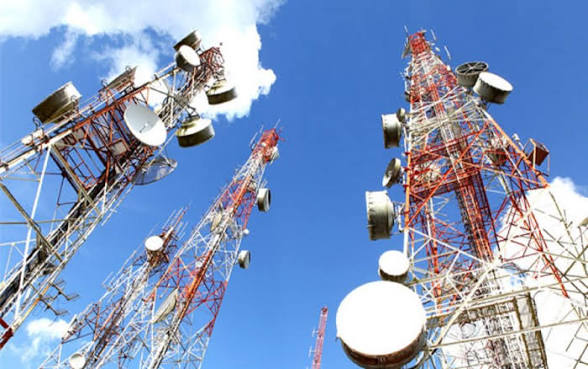
Telecommunications subscribers across Nigeria have regained access to emergency airtime services after major network operators quietly restored airtime borrowing platforms following a court order suspending the enforcement of the Federal Competition and Consumer Protection Commission’s (FCCPC) Digital, Electronic, Online or Non-Traditional Consumer Lending (DEON) Regulations 2025.
Operators including Airtel Nigeria and Globacom reactivated the services after the legal intervention, restoring a feature widely relied upon by millions of subscribers for urgent communication and small day-to-day transactions.
The services had earlier been disrupted amid growing regulatory tensions between telecom operators and the Federal Competition and Consumer Protection Commission (FCCPC).
The controversy followed an interim ruling by the Federal High Court in Lagos, which reportedly ordered a temporary suspension of the implementation of the DEON Regulations pending the hearing of a suit challenging the FCCPC’s authority to regulate airtime-based credit services.
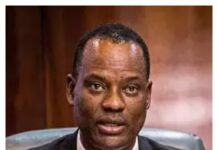
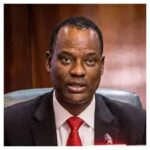
The legal dispute has also sparked fresh courtroom exchanges, including contempt proceedings reportedly involving the Commission’s Executive Vice Chairman, Tunji Bello.
Speaking on the development, Chairman of the Wireless Application Service Providers Association of Nigeria (WASPAN), Ayo Stuffman, confirmed that the platforms had resumed operations.
“As we speak, the services in question are already active on Airtel and Glo,” he said.
The restoration of airtime lending has been welcomed by many Nigerians, especially traders, transport workers and low-income earners who depend on the service for quick connectivity during emergencies.
Industry estimates place the airtime credit market at over ₦400 billion annually, making it a major segment of Nigeria’s telecommunications ecosystem.
The FCCPC had introduced the DEON Regulations 2025 as part of efforts to bring digital lending services under a formal regulatory framework. The commission argued that airtime credit qualifies as a form of consumer lending and should comply with rules aimed at preventing abuse, data misuse and unfair charges.
The agency also stated that it had received more than 11,000 complaints linked to digital lending platforms.
However, telecom stakeholders strongly opposed the move, insisting that airtime advances are value-added telecom services rather than conventional loans.
Industry players warned that the regulations could disrupt existing telecom operations and create overlaps with already established sector-specific regulations.
The dispute escalated after Justice A. Allagoa issued an interim order restraining the FCCPC from enforcing the regulations pending further hearings.
Responding to the ruling, the FCCPC, through its Director of Corporate Affairs, Ondaje Ijagwu, confirmed that the commission would comply with the court directive.
“As a law-abiding institution, the Commission, in deference and in obedience to the rule of law, hereby suspends the implementation and the enforcement of the DEON Regulations 2025,” he stated.
Despite suspending enforcement, the commission maintained that it would continue to challenge the ruling in court and seek a review of the order.
Meanwhile, stakeholders within the telecom sector have warned that prolonged uncertainty surrounding the regulatory framework could negatively affect investor confidence.
Chairman of the Association of Licensed Telecommunications Operators of Nigeria (ALTON), Gbenga Adebayo, had earlier stressed the importance of clear and predictable regulations within the telecommunications industry.
For now, subscribers across several networks can once again access airtime borrowing services, pending the final determination of the court case that will decide whether the service remains under telecom regulation or falls within stricter financial oversight.