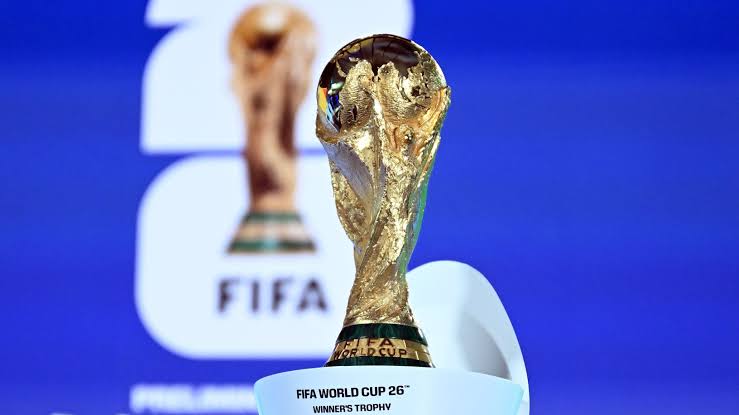
FIFA has announced a series of rule changes that will take effect at the 2026 FIFA World Cup, introducing stricter measures aimed at reducing time-wasting, improving the flow of matches and enhancing disciplinary oversight.
One of the major changes is the introduction of a five-second limit for throw-ins. Under the new rule, players who deliberately delay restarting play risk losing possession, with the throw-in awarded to the opposing team.
A similar provision will apply to goal-kicks. Teams found to be intentionally wasting time during goal-kick situations could be penalised with a corner kick awarded to their opponents.
Substitution procedures have also been revised. Players leaving the pitch must do so within 10 seconds and use the nearest exit point. Failure to comply will result in the incoming substitute being barred from entering the field for at least one minute, forcing the team to temporarily play with 10 players.
In another significant adjustment, players who receive medical treatment on the pitch will be required to remain off the field for 60 seconds before returning to action. Exceptions will apply to goalkeepers, serious injury cases and incidents involving an opponent who has been cautioned or sent off.
FIFA has also moved to tighten disciplinary measures during on-field confrontations. Players who cover their mouths while involved in heated exchanges or disputes may face sanctions, including the possibility of a red card.
The Video Assistant Referee (VAR) system will receive expanded responsibilities under the new regulations. Officials will now be permitted to review corner-kick decisions before play resumes to ensure the correct call was made. However, goal-kick decisions will not be subject to the same review process.
Additionally, players sent off after receiving a second yellow card may have the second booking reviewed under certain circumstances. Referees, however, will not conduct reviews for incidents that could potentially lead to a second caution.
Football authorities believe the changes will promote greater transparency, reduce unnecessary interruptions and discourage tactics designed to slow down matches.
The new regulations will be in force at the 2026 FIFA World Cup, which will be jointly hosted by the United States, Canada and Mexico.